
Web3与去中心化未来:加密时代的新机遇与挑战
什么是Web3?
Web3是互联网的一个新阶段,它强调去中心化、用户主权和数据隐私。与传统的Web1.0(信息读取阶段)和Web2.0(用户生成内容阶段)不同,Web3构建在区块链技术之上,使用户能够更好地控制自己的数据、身份和资产。它通过智能合约、分布式账本等技术减少了对中心化机构的依赖,从而使用户能够直接进行交易和互动。
Web3所带来的改变不仅限于技术方面,更在社会经济结构、用户关系及信任机制等各方面产生深刻影响。在Web2.0时代,用户需要将自己的数据交给大型平台(如Facebook、Google等),来享受免费的服务,但这些平台通过数据获利,并且经常出现数据泄露和隐私侵犯的问题。而在Web3中,用户通过区块链技术拥有自己的数字身份以及数据控制权,他们可以选择是否以及如何分享自己的数据,从而获得相应的回报。
Web3的核心特征和技术
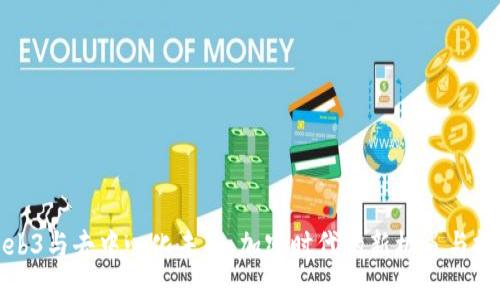
Web3有几个核心特征,这些特征使它与前两个阶段显著不同:去中心化、开放性、互操作性和自我主权。
1. **去中心化**:Web3应用不依赖于单一的服务器或公司,而是通过区块链网络来分布存储数据和处理交易。这大大降低了数据被篡改和单点故障的风险。
2. **开放性**:Web3强调开放源代码,任何人都可以查看、使用和贡献代码。这种透明性有助于减少欺诈和不当行为,保障用户的权益。
3. **互操作性**:不同的Web3应用可以在同一网络中互相兼容,用户可以在不同的应用间无缝切换,获取更好的体验。
4. **自我主权**:用户拥有自己的数字身份和数据,完全控制自己的信息。这意味着用户可以选择与哪些应用分享数据,以及在平台中获得的回报。
Web3的机遇与挑战
随着Web3的发展,带来了新的经济模式和商业机会。尤其是在加密货币和NFT(非同质化代币)领域,许多人看到了丰厚的回报。
然而,Web3也面临一些挑战。例如,技术复杂性导致用户普遍不易理解如何使用区块链和加密货币。此外,法律法规方面也亟待完善,许多国家尚未明确对加密资产的监管政策,可能会影响用户的参与意愿。同时,随着黑客攻击和安全问题的增加,用户对自身资产的安全性产生疑虑。
Web3的未来展望
尽管面临挑战,Web3的发展前景依然充满希望。随着技术的不断成熟,各种工具和平台正在推出,帮助用户更容易地接触和使用Web3应用。同时,越来越多的企业和机构对Web3表现出浓厚的兴趣,这将推动更多的投资和技术研发。
未来,Web3可能会进一步降低信息不对称,促进全球经济的流通,成为数字经济的重要组成部分。对于个人用户来说,它将成为一个更为公平和透明的互联网生态系统,让每一个人都能分享科技进步带来的红利。
相关问题解析
1. Web3如何影响我们的日常生活?
The emergence of Web3 is bound to have profound effects on various aspects of daily life. For instance, in the context of finance, decentralized finance (DeFi) platforms eliminate the need for traditional banks, allowing people to lend, borrow, and trade directly with each other using smart contracts. This gives individuals more control over their finances and reduces the cost of financial services.
In terms of social interaction, Web3 enables users to form communities based on shared interests rather than geographical locations. Decentralized social networks allow for more direct communication, without the interference of centralized platforms that may exploit user data for profit. This enhances trust among users, as they engage in peer-to-peer interactions that are recorded on the blockchain.
Additionally, the concept of digital ownership is revolutionized in Web3 through non-fungible tokens (NFTs). Users can buy, sell, and trade unique digital assets such as art, music, and virtual real estate, giving rise to new economic opportunities. Ownership of these assets is verifiable on the blockchain, ensuring transparency and security.
Web3 also fosters digital identity management, allowing users to have complete ownership of their identities across various platforms. This means users can maintain a consistent identity without having to create multiple accounts across different services.
However, the transition to Web3 is not without challenges. The existing infrastructure and digital literacy gaps can hinder widespread adoption. Many people may find the decentralized nature of Web3 complex and intimidating. Therefore, education and user-friendly interfaces will be essential for making these technologies accessible to the general public.
2. Web3在商业模式上的创新有哪些表现?
Web3 has ushered in a new era of business models that significantly differ from traditional approaches. One notable example is the rise of decentralized autonomous organizations (DAOs), which allow communities to collectively make decisions regarding project governance and funding without a central authority. This shift towards collective governance invites greater participation and democratizes the decision-making process.
The concept of revenue sharing is also gaining traction in Web3. Unlike traditional businesses where profits are centralized, many Web3 projects allow users to earn tokens for their contributions. This could mean providing liquidity to a decentralized exchange, participating in governance, or simply being an active community member. These tokens often have real value and can be traded on various exchanges, creating a new incentive structure that rewards users for engagement.
Moreover, Web3 facilitates the creation of “play-to-earn” gaming models. In these games, players can earn cryptocurrency or NFTs by participating in gameplay, which they can then trade or sell. This provides a revenue stream for players who traditionally may have only invested time without any financial return.
The traditional advertising model is also being disrupted by the advent of Web3. Instead of relying on data collection for targeted ads, Web3 platforms emphasize privacy and user control. Advertisers may pay users directly for their attention or engagement, fundamentally changing the dynamics of how advertising is conducted online.
Despite these innovations, businesses in the Web3 space also face hurdles. Regulatory uncertainty, market volatility, and the need for cybersecurity measures are just a few of the challenges that entrepreneurs must navigate as they develop new models. However, as the tech matures, these challenges may yield more streamlined and efficient solutions.
3. Web3面临的主要安全问题是什么?
Security in the Web3 landscape is a pressing concern, as the decentralized nature of blockchain technology introduces unique risks. One of the most notable threats is the vulnerability of smart contracts. These self-executing contracts are coded to facilitate, verify, or enforce the negotiation of a contract, but if they contain bugs or vulnerabilities, they can be exploited by malicious actors. High-profile hacks have resulted in significant financial losses, highlighting the necessity for robust auditing practices and security measures in smart contract development.
Another security challenge is related to wallet management. Users are typically required to store their private keys securely to access and manage their digital assets. If these keys are lost or stolen, users can permanently lose access to their funds. Educational efforts must emphasize the importance of secure key storage practices, such as using hardware wallets and employing multi-factor authentication.
Phishing attacks are also prevalent in the Web3 ecosystem. Scammers often impersonate legitimate services to trick users into revealing personal information or private keys. Users must remain vigilant and verify the authenticity of services before providing sensitive information. Additionally, the rise of decentralized finance (DeFi) introduces new attack vectors, such as flash loan attacks, where attackers exploit vulnerabilities in the lending and borrowing algorithms to manipulate prices and drain funds from protocols.
Regulatory concerns around identity verification and anti-money laundering (AML) practices further complicate security in Web3. As decentralized platforms grow, they may attract scrutiny from authorities, pushing developers to find ways to comply with regulations without compromising user privacy and autonomy.
In conclusion, while Web3 presents immense opportunities, security remains a paramount concern. Users, developers, and regulators must work collaboratively to establish best practices and regulatory frameworks that safeguard participant interests while fostering innovation.
4. 如何在Web3中获得经济利益?
As Web3 continues to evolve, various avenues for economic benefits have emerged for individuals and businesses alike. One of the most prominent ways to earn in this decentralized economy is through participating in cryptocurrency trading. Investors can buy, hold, and trade various cryptocurrencies in hopes of capitalizing on market fluctuations. However, this requires a solid understanding of market trends and risk management strategies to maximize profits. Additionally, decentralized exchanges (DEXs) allow users to trade assets directly without intermediaries, often at lower fees compared to traditional exchanges.
Another lucrative opportunity lies in DeFi (Decentralized Finance). Users can lend their assets to others in the DeFi ecosystem and earn interest on their holdings. This presents a passive income stream while maintaining control over their assets. Yield farming and liquidity mining are terms associated with these practices, where users provide liquidity to DeFi protocols in exchange for tokens and rewards. However, these strategies can involve significant risks due to market volatility and smart contract vulnerabilities.
Additionally, the NFT market presents opportunities for creators and collectors. Individuals can create unique digital art or collectibles and mint them as NFTs, selling them on various platforms. Artists can also earn royalties from secondary sales, providing ongoing income. The community aspect of NFTs fosters network effects that can amplify value through social engagement and limited editions.
Moreover, participating in DAOs can also provide economic benefits. By contributing to DAOs such as governance voting or project development, users can earn tokens that hold value within the community. These tokens can often be traded on exchanges, creating additional financial incentives for active participation.
Lastly, educational resources and tutorials on Web3 technologies can serve as valuable assets. As individuals seek to understand this decentralized space, there is a growing demand for educators, mentors, and consultants who can guide newcomers on navigating Web3.
In summary, the Web3 space offers multiple pathways for economic benefits. By engaging in various activities—trading, DeFi, NFTs, and participating in community-driven projects—individuals can harness the opportunities presented by blockchain technology while navigating the associated risks effectively.
通过这些讨论,我们整体理解了Web3的概念、影响、创新、挑战及获得回报的机会,展现出其在未来数字经济中的重要角色。希望读者对这个新兴领域有了更加深入的见解,并能积极参与到即将到来的Web3时代中。